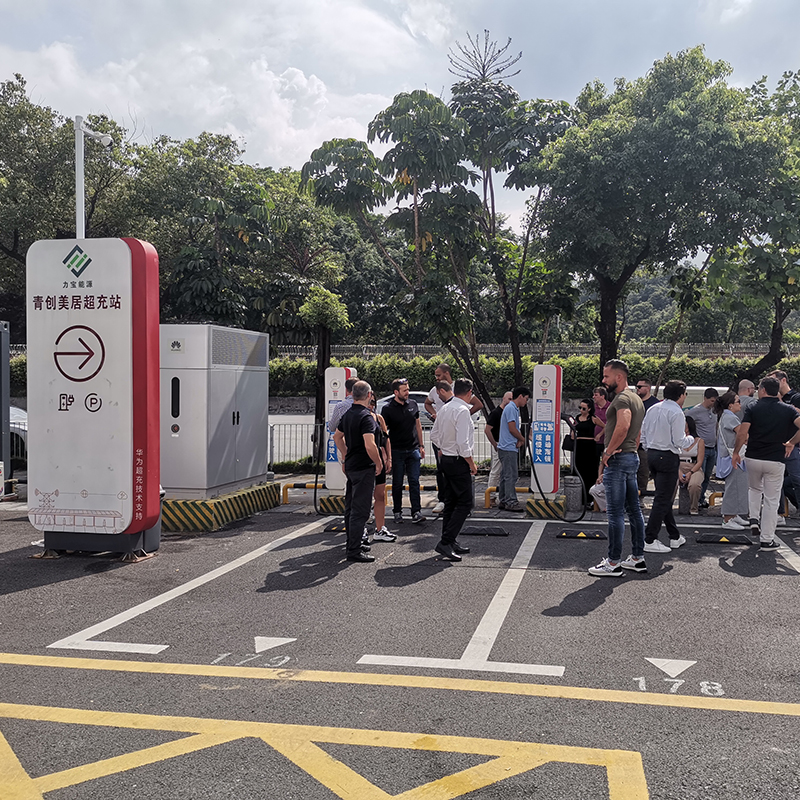
As electric vehicles become more common, the demand for convenient and flexible charging solutions continues to grow. Traditional charging infrastructure often requires significant installation costs, fixed locations, and access to stable power grids. However, these limitations can create challenges for businesses, fleet operators, and EV owners. Therefore, mobile EV charging storage has emerged as an innovative solution that delivers power where and when it is needed. By combining energy storage technology with mobile charging capabilities, this solution improves accessibility, supports sustainable transportation, and enhances operational efficiency across a wide range of applications.
Charging Anytime and Anywhere
One of the biggest advantages of mobile EV charging storage is its flexibility in deployment. Unlike fixed charging stations, mobile systems can be transported to different locations based on demand. For example, businesses can provide charging services at temporary events, construction sites, parking lots, or remote locations. Moreover, operators can quickly respond to unexpected charging needs without investing in permanent infrastructure. As a result, EV drivers gain access to reliable charging even in areas where traditional charging stations are unavailable. This mobility helps reduce range anxiety and encourages greater electric vehicle adoption.
Reducing Infrastructure Limitations
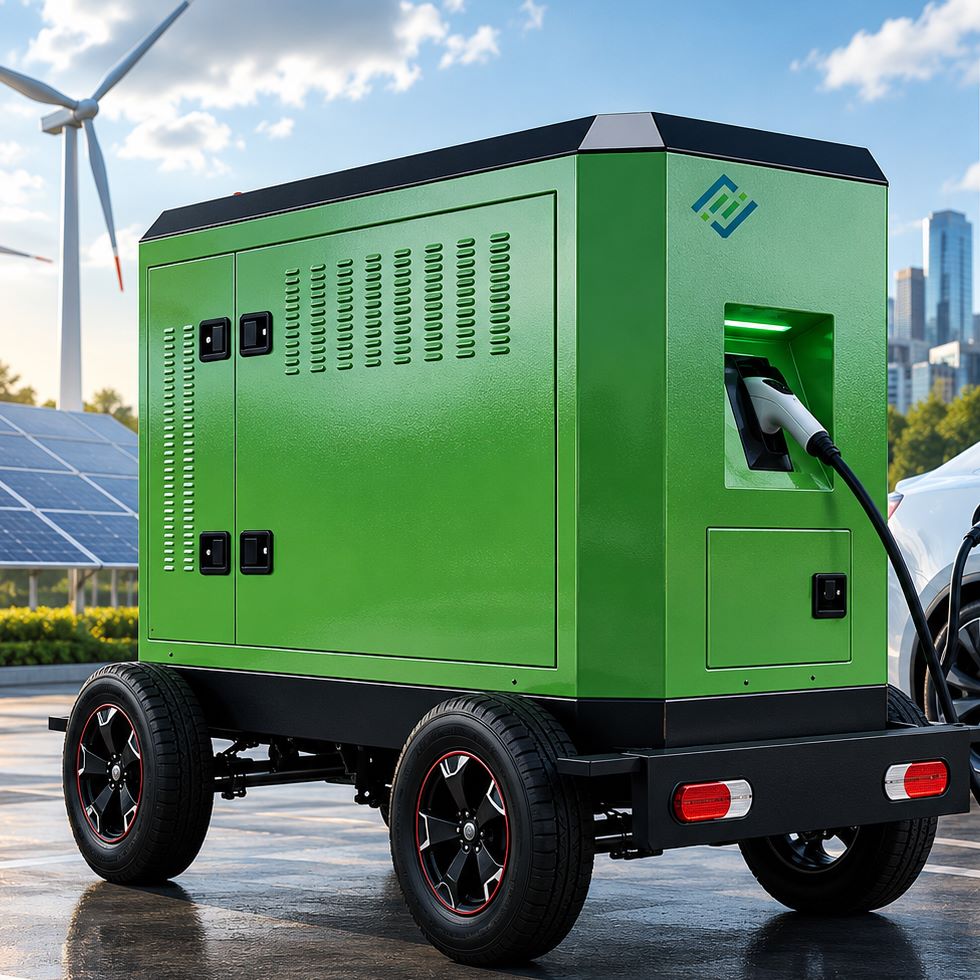
Installing permanent charging stations often requires extensive electrical upgrades, permits, and construction work. Consequently, deployment can take considerable time and financial investment. In contrast, mobile EV charging storage provides an immediate charging solution. Because the system contains integrated battery storage, it can deliver power without depending entirely on the local grid. Furthermore, businesses can expand charging capacity quickly as demand increases. This flexibility makes mobile charging especially valuable for growing EV markets and temporary charging applications.
Supporting Fleet Operations
Commercial fleet operators require efficient charging solutions to keep vehicles running throughout the day. Therefore, a flexible charging infrastructure is essential for maintaining productivity. Mobile charging systems allow fleet managers to position charging resources where vehicles operate most frequently. Additionally, operators can relocate equipment as routes and operational requirements change. Consequently, vehicles spend less time traveling to charging stations and more time serving customers. For logistics companies, public transportation providers, and service fleets, this adaptability can significantly improve operational efficiency.
Enhancing Emergency Charging Services
Unexpected situations can leave drivers without access to charging facilities. Fortunately, mobile EV charging storage can provide emergency charging support when needed. For instance, roadside assistance providers can use mobile charging units to help stranded EV drivers reach the nearest charging destination. Similarly, event organizers and temporary venues can offer charging services without permanent installations. As a result, mobile charging solutions improve reliability and create a better experience for EV users.
Improving Energy Efficiency
Energy management plays a critical role in modern charging infrastructure. Mobile charging systems often incorporate advanced battery storage technologies that optimize power usage. Moreover, stored energy can be charged during off-peak periods when electricity costs are lower. Later, that energy can be delivered to vehicles when demand is high. Therefore, operators can manage energy expenses more effectively while reducing pressure on local power grids. In addition, integrating renewable energy sources such as solar power further enhances sustainability and supports long-term environmental goals.
Smart Management and Scalability
Modern mobile charging solutions often include intelligent monitoring and management systems. These features allow operators to track energy usage, charging status, and equipment performance in real time. Furthermore, businesses can scale operations easily by deploying additional units when demand grows. This flexibility allows organizations to adapt quickly to changing market conditions while maintaining service quality. At MAX LI-POWER, advanced energy storage and charging technologies help customers build efficient and scalable charging networks for a variety of applications.
Supporting Sustainable Transportation
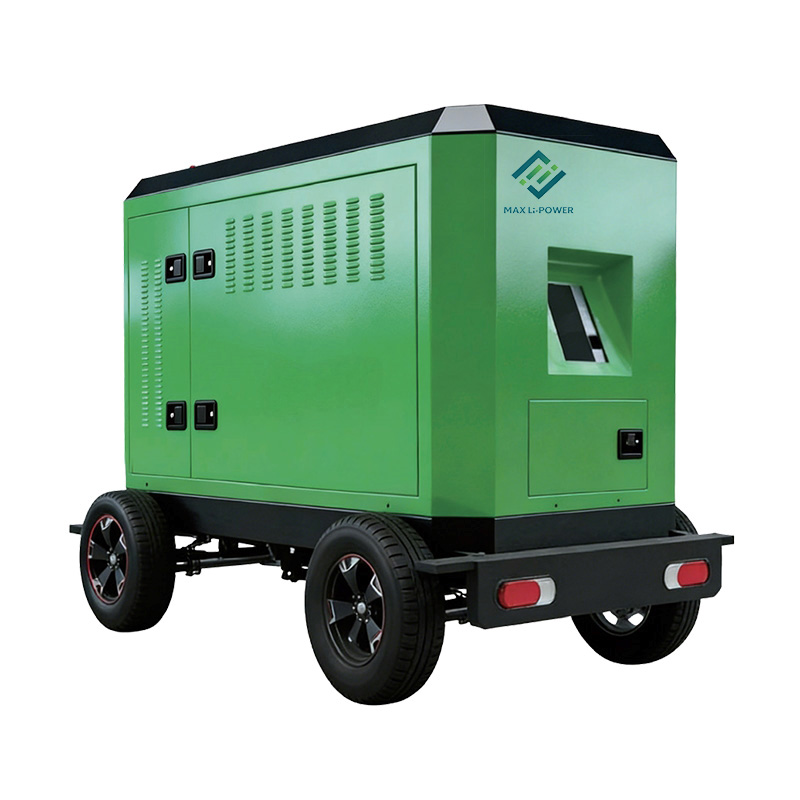
The transition to electric mobility requires flexible and accessible charging infrastructure. Therefore, mobile charging systems play an important role in supporting sustainable transportation initiatives. By bringing charging services directly to users, reducing infrastructure barriers, and improving energy efficiency, these systems help accelerate EV adoption. Moreover, they support cleaner transportation options and contribute to lower carbon emissions.
Conclusion
As the electric vehicle market continues to expand, charging flexibility becomes increasingly important. Mobile EV charging storage provides a practical solution by delivering portable, efficient, and scalable charging capabilities. It supports fleet operations, emergency charging services, temporary installations, and energy optimization strategies.
With innovative solutions from MAX LI-POWER, businesses and organizations can improve charging accessibility while supporting sustainable transportation goals. Consequently, mobile charging technology is becoming a valuable component of the future EV ecosystem.




 10Nov
10Nov
 by
by