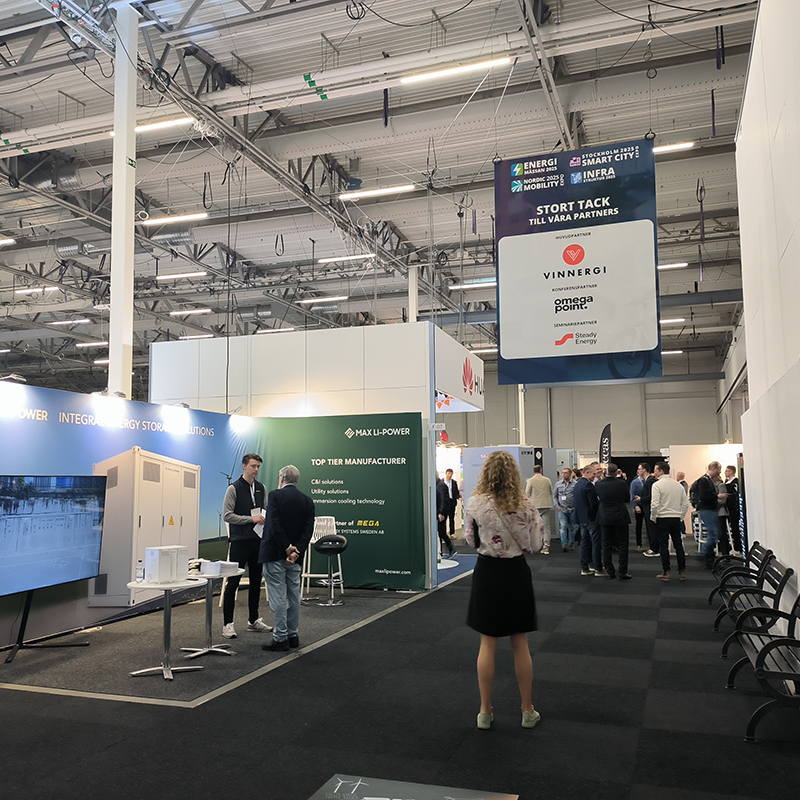
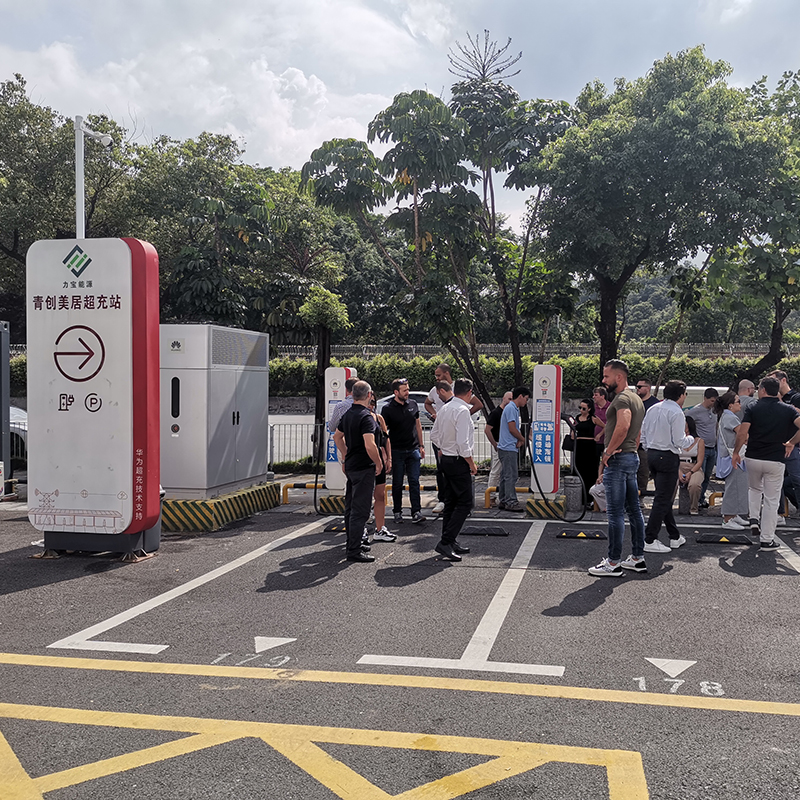
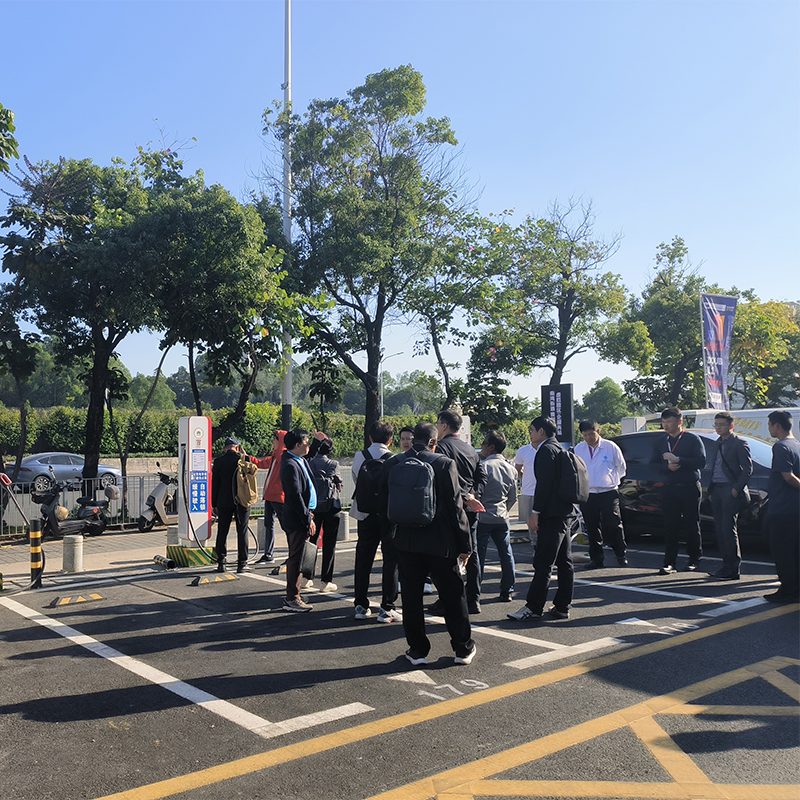
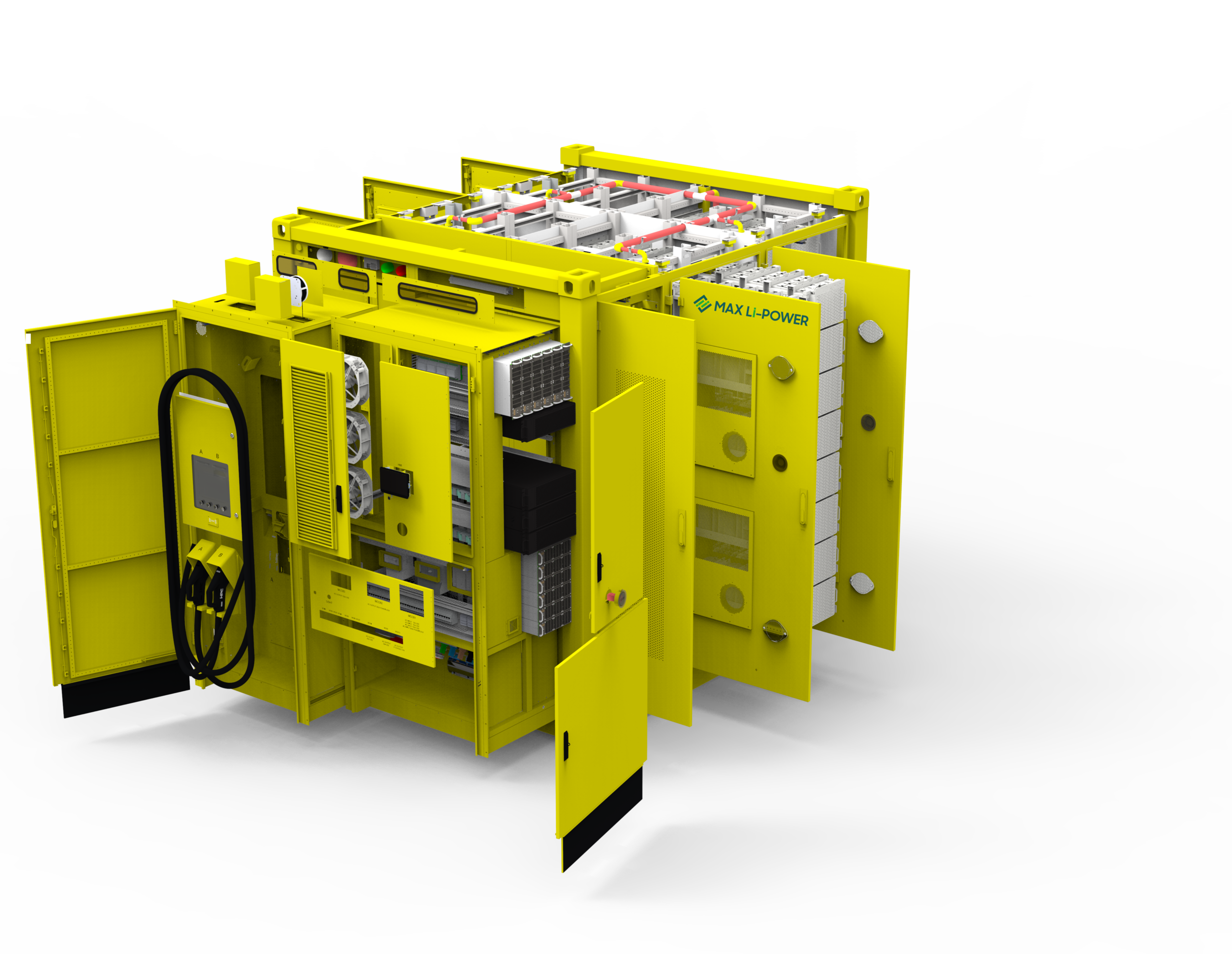
As renewable energy adoption continues to grow worldwide, project developers face new challenges in energy storage, distribution, and power reliability. Solar and wind energy provide clean electricity, yet their output often fluctuates due to weather conditions and varying demand. Therefore, effective energy storage solutions have become essential for maximizing renewable energy utilization. One solution gaining significant attention is the mobile battery charging container, which combines energy storage, mobility, and flexibility in a single system.
Enhancing Energy Storage Capacity
Renewable energy projects frequently generate excess electricity during peak production periods. However, this surplus energy may go unused if adequate storage systems are unavailable. A mobile battery charging container helps solve this issue by storing excess energy for later use.
For example, solar farms often produce the highest amount of electricity during midday. Meanwhile, energy demand may increase during the evening when solar generation declines. By storing surplus power, operators can release energy when needed. As a result, renewable energy projects become more efficient and profitable.
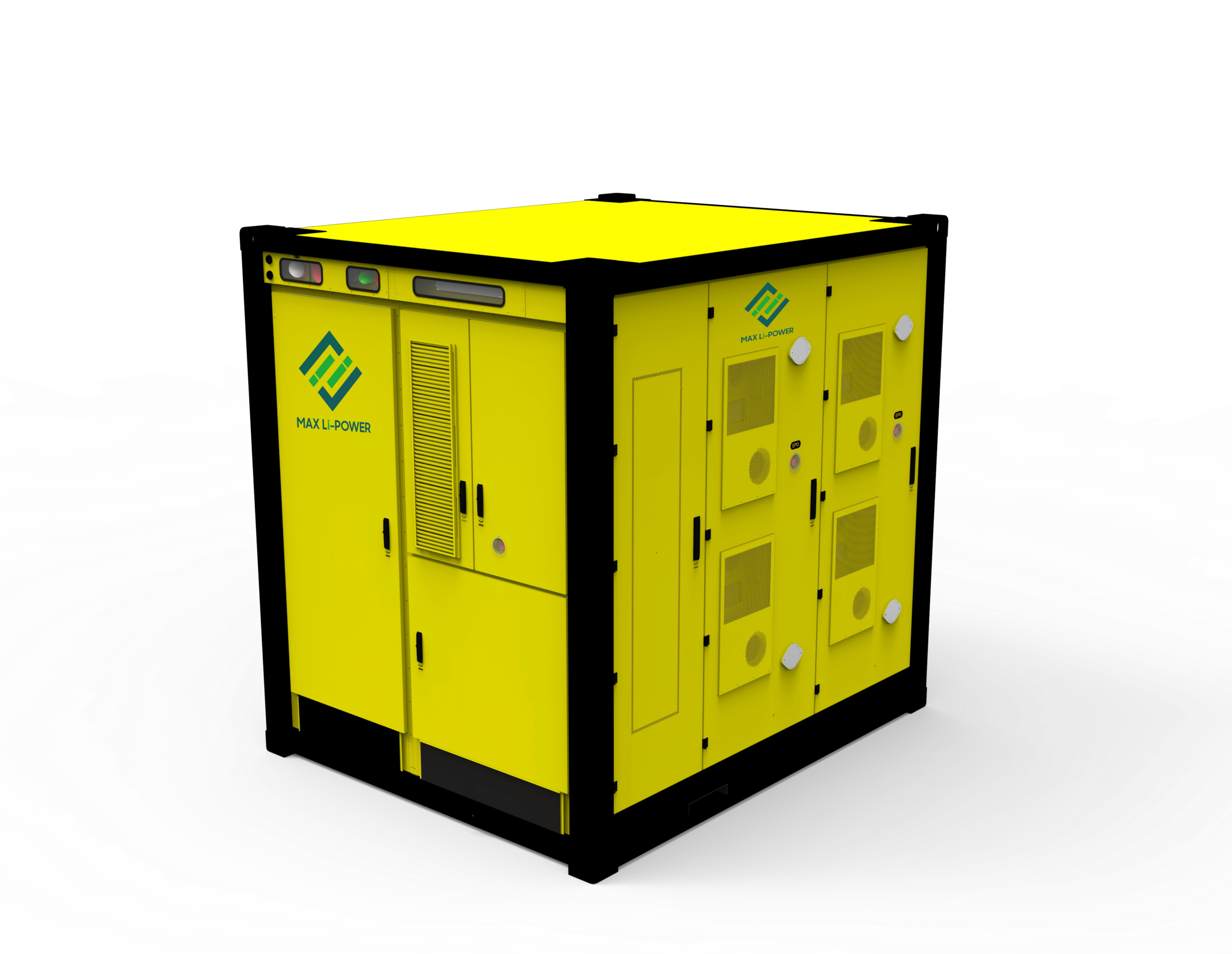
Providing Flexible Deployment Options
One of the greatest advantages of containerized battery systems is mobility. Traditional energy storage installations often require extensive construction and permanent infrastructure. In contrast, mobile solutions can be transported quickly to different locations.
Furthermore, renewable energy projects are not always located near existing grid infrastructure. Wind farms, solar parks, and remote microgrids frequently operate in isolated areas. A mobile battery charging container allows operators to deploy reliable energy storage wherever it is required. Consequently, project timelines can be shortened, and installation costs can be reduced.
Supporting Grid Stability
As renewable energy penetration increases, maintaining grid stability becomes more challenging. Solar and wind generation can fluctuate throughout the day, creating sudden changes in power supply. Therefore, energy storage plays a critical role in balancing electricity demand and generation. Battery containers can absorb excess energy during periods of high production and release stored power when generation decreases. In addition, they help reduce peak load pressure on the grid. This capability improves overall system reliability and supports the smooth integration of renewable energy resources.
Enabling Emergency and Backup Power
Renewable energy projects must maintain operational continuity even during unexpected disruptions. Equipment failures, weather events, or grid outages can affect project performance. A mobile battery charging container provides dependable backup power during emergencies. Moreover, it can support critical equipment and maintain essential operations until normal power conditions return. This additional layer of security helps protect project investments and minimizes downtime.
Improving Sustainability and Reducing Emissions
Sustainability remains a primary objective for renewable energy developers. Battery storage systems contribute directly to environmental goals by maximizing the use of clean energy. Instead of relying on diesel generators during periods of low renewable generation, stored electricity can power operations efficiently. Furthermore, energy losses are reduced through intelligent management systems. As a result, projects achieve lower carbon emissions and greater environmental benefits.
Companies such as MAX LI-POWER continue to develop advanced battery storage solutions that help renewable energy operators improve efficiency, flexibility, and sustainability. Their innovative technologies support the growing demand for reliable clean energy infrastructure.
Supporting Future Renewable Energy Growth
The renewable energy sector continues to expand rapidly. Consequently, developers require scalable and adaptable storage solutions that can evolve alongside project requirements. Containerized battery systems offer modular designs that allow capacity expansion as energy demands increase. In addition, smart monitoring and remote management features help operators optimize performance and reduce maintenance efforts. These advantages make battery containers a valuable asset for both current and future renewable energy projects.
Conclusion
Renewable energy projects require reliable, flexible, and efficient energy storage to achieve long-term success. A mobile battery charging container addresses these needs by storing excess renewable power, supporting grid stability, enabling rapid deployment, and providing emergency backup capabilities. Moreover, it helps reduce emissions while improving overall project efficiency. As renewable energy continues to play a larger role in the global energy landscape, mobile battery storage solutions will remain an essential component of sustainable power systems.

 10Nov
10Nov
 by
by