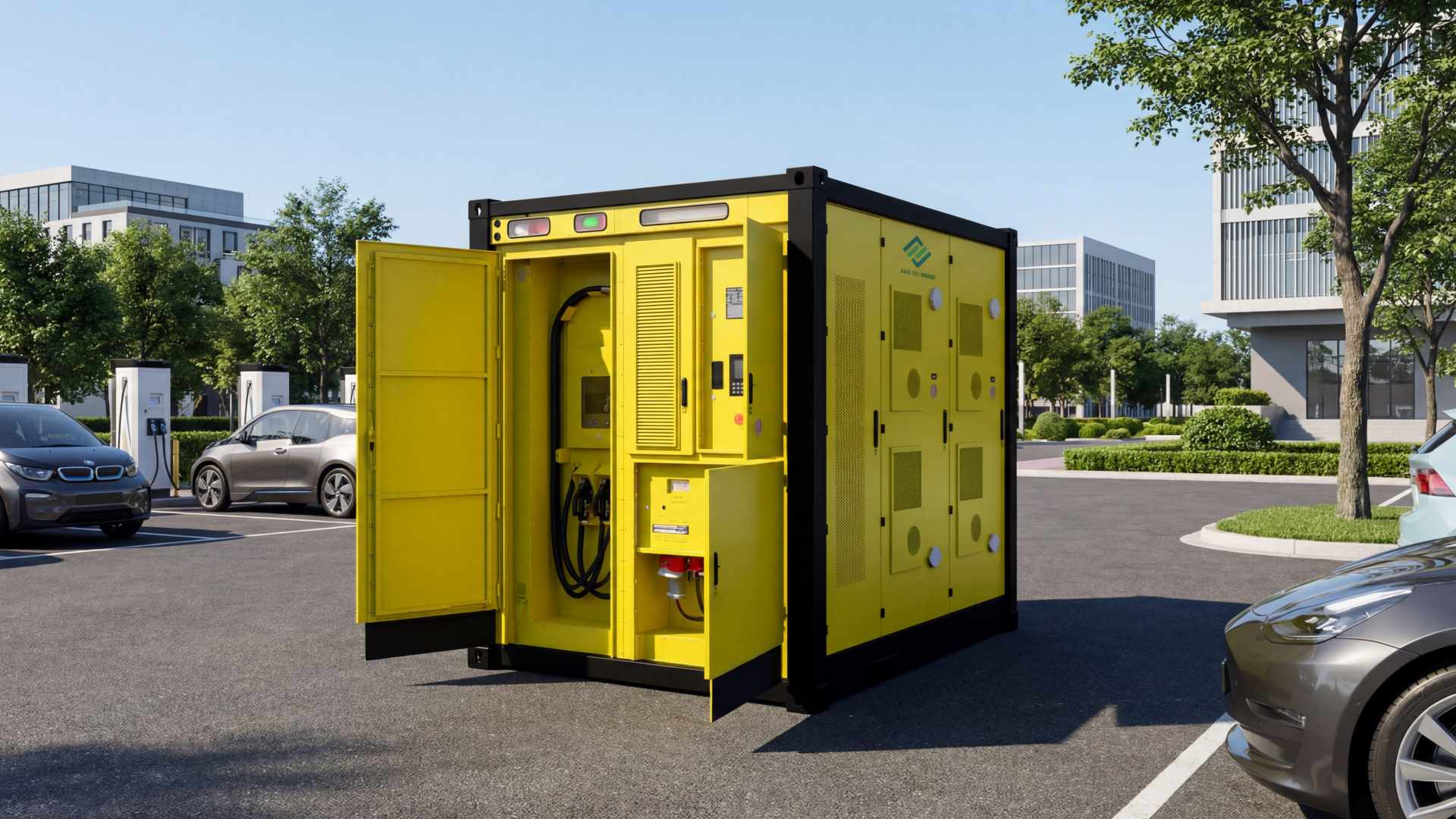
Electric vehicle (EV) adoption is growing rapidly, creating high demand for efficient and reliable charging infrastructure. To meet this demand, an integrated battery charging container provides a versatile solution for modern EV charging stations. These containers combine high-capacity battery storage, advanced thermal management, and intelligent control systems to deliver fast, safe, and efficient charging for multiple vehicles.
High-Capacity and Flexible Configuration
A key advantage of an integrated battery charging container is its large energy storage capacity. Max Li-Power equips its containers with batteries up to 314Ah and 1044kWh, allowing operators to configure the system for grid-connected or off-grid operation. Therefore, operators can select the most suitable setup based on location and energy needs. This flexibility ensures EV charging stations supply consistent power even during peak demand periods or grid interruptions.
Fast and Reliable Charging
These containers support rapid charging applications. With a maximum charging current of 500A, EVs receive power more quickly compared to traditional methods. Moreover, the system handles a wide voltage range, including 150V–1000V DC and 400V AC. Consequently, operators can charge a wide variety of EV models efficiently and reliably.
Durable and Safe Design
Durability and safety remain critical for mobile and stationary charging solutions. Integrated battery charging container features IP54-rated protection and advanced HVAC cooling systems. Additionally, operators benefit from thermal management, fire alarms, and leakage prevention. As a result, these containers maintain reliable operation in diverse environmental conditions while ensuring safety for both the battery system and the surrounding infrastructure.
Intelligent Monitoring and Control
Modern integrated battery charging containers include advanced control systems that allow both local and remote management. Operators monitor performance through web interfaces or dedicated applications. In addition, intelligent control optimizes energy usage, balances charging loads, and minimizes energy losses. Therefore, station operators increase operational efficiency and reduce energy costs.
Mobility and On-Demand Deployment
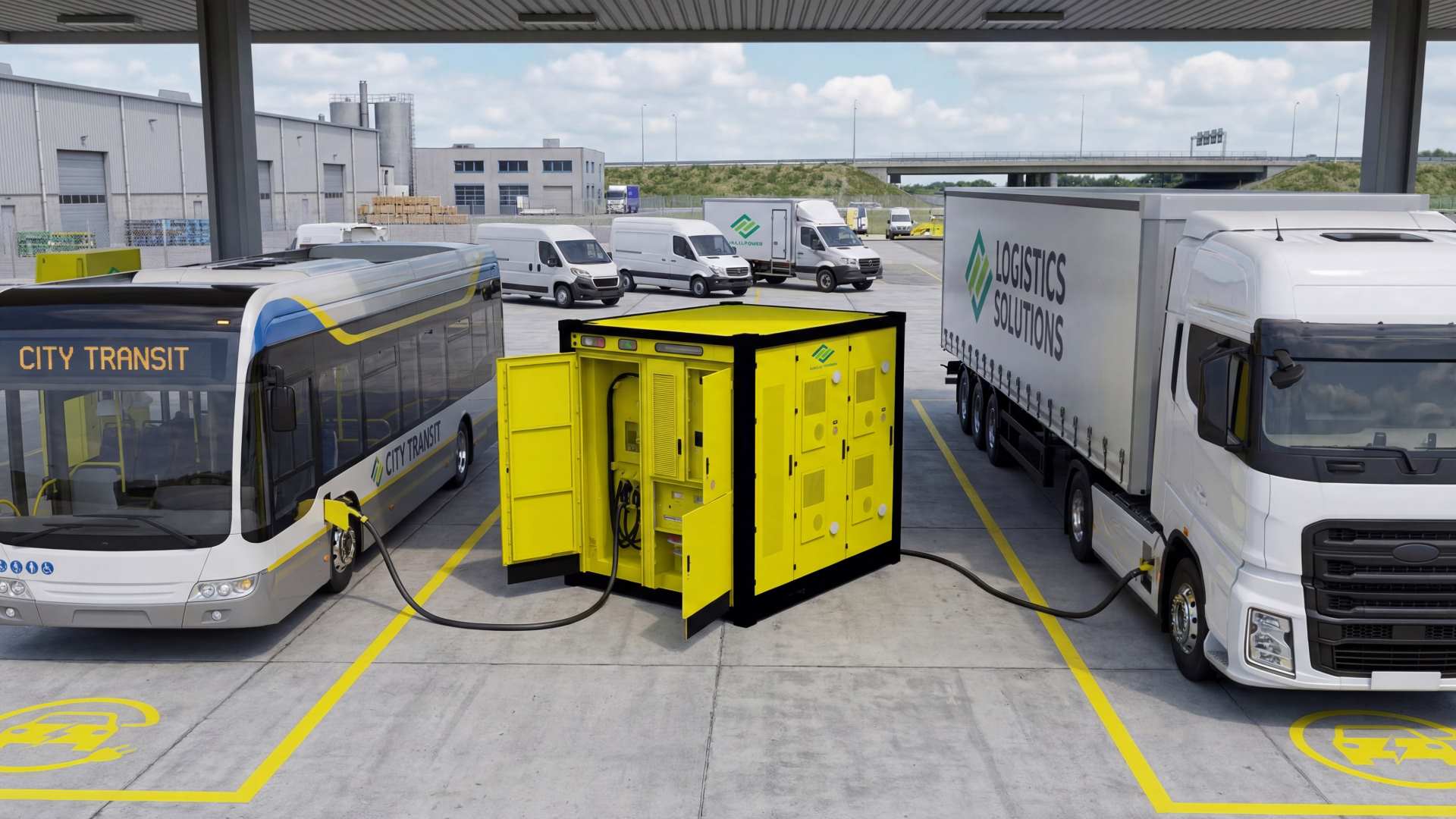
An integrated battery charging container provides mobility for on-site deployment. Operators can quickly set up temporary or mobile charging stations as needed. For example, during events or in areas with limited grid access, they can provide on-demand charging for EVs without installing permanent infrastructure. Consequently, these containers prove valuable for flexible and scalable urban or rural EV charging networks.
Energy Efficiency and Integrated Design
These containers maximize energy efficiency through their integrated design, which reduces power losses associated with multiple conversion steps. Furthermore, operators achieve long-term performance using high-quality components that sustain battery life. Therefore, they benefit from fast, reliable charging, lower maintenance, and cost savings.
Conclusion
In conclusion, an integrated battery charging container offers a comprehensive solution for EV charging stations. By combining high-capacity batteries, fast and flexible charging, intelligent monitoring, and robust safety features, they meet the growing demands of the EV market. Max Li-Power provides advanced, mobile, and scalable solutions that empower operators to charge the next generation of electric vehicles efficiently and safely. As EV infrastructure continues to expand, integrated battery charging containers will remain essential for both urban and remote charging applications.

 10Nov
10Nov
 by
by