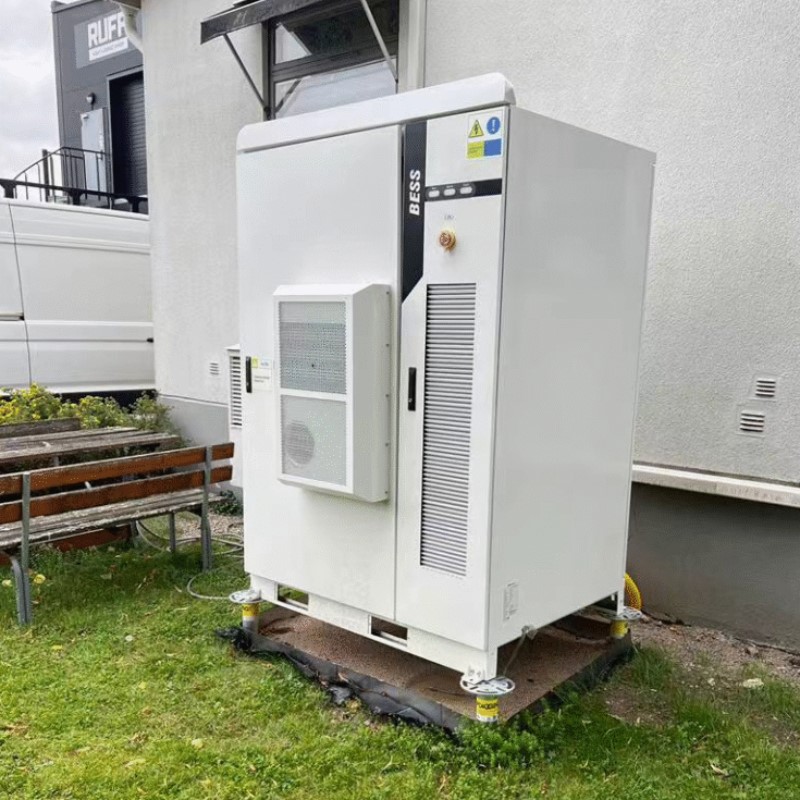
In modern energy systems, thermal control plays a decisive role in performance and safety. In particular, the outdoor battery energy storage cabinet directly influences system stability, yet many technical guides still overlook its thermal behavior. While most content focuses on capacity and configuration, it often ignores how heat affects efficiency, lifespan, and operational reliability. Therefore, engineers and users must understand thermal performance to ensure long-term system stability. Max Li-Power develops advanced storage solutions, including the MA-Ark Integrated it, to address real-world thermal challenges through integrated engineering design.
Heat Accumulation and Efficiency Reduction
To begin with, heat accumulation significantly reduces battery efficiency in real operating environments. When the temperature rises above optimal levels, internal resistance increases and energy output drops. As a result, system performance declines even if the hardware remains technically functional. The outdoor battery energy storage cabinet requires an effective internal airflow design to release heat continuously. Moreover, many users assume external protection alone ensures stability, but trapped heat inside the cabinet still reduces performance. Therefore, proper thermal design directly determines energy efficiency.
Environmental Stress and Operating Instability
In addition, outdoor environments create unpredictable thermal conditions. Sunlight exposure, humidity changes, and seasonal temperature differences all affect system behavior. These factors continuously challenge system stability. It must respond to these environmental variations without reducing output efficiency. Furthermore, uneven heat distribution can create cell imbalance, which shortens system lifespan and reduces overall reliability.
Integrated Cooling Strategy and System Design
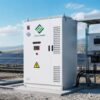
To solve these challenges, modern energy systems adopt integrated thermal management designs. For example, Max Li-Power developed the MA-Ark Integrated Outdoor Battery Energy Storage Cabinet with a modular structure that improves airflow and thermal balance. Additionally, the system uses plug-and-play architecture, which simplifies deployment and reduces unnecessary energy loss during installation. The DC-coupled solar access design also reduces conversion steps, which helps control internal heat generation. Meanwhile, the system supports unbalanced load operation to maintain stable performance under fluctuating demand.
Safety Risks and Thermal Protection
Furthermore, poor thermal control increases safety risks such as overheating and thermal runaway. Therefore, engineers integrate multi-layer protection systems to prevent dangerous conditions. It functions not only as an energy storage unit but also as a safety-critical system. In practice, proper thermal management prevents system failure and ensures continuous operation under demanding conditions.
Smart Grid Integration and Performance Stability
Finally, modern energy systems connect more deeply with smart grid infrastructure. The MA-Ark system supports Virtual Power Plant (VPP) functions and auxiliary grid services, which require consistent thermal stability for accurate energy dispatch. Therefore, the outdoor battery energy storage cabinet must maintain stable internal conditions to support intelligent energy management. Without effective thermal regulation, advanced grid functions may lose accuracy or efficiency.
Conclusion: Thermal Design Defines Real System Value
In conclusion, thermal management determines the real performance of energy storage systems. While many users focus on capacity and cost, long-term efficiency depends on how well the system controls heat. Ultimately, the outdoor battery energy storage cabinet integrates energy storage, thermal engineering, and safety protection into one system. With the MA-Ark Integrated Outdoor Battery Energy Storage Cabinet from Max Li-Power, users can achieve higher efficiency, stronger safety performance, and more stable long-term operation.

 10Nov
10Nov
 by
by