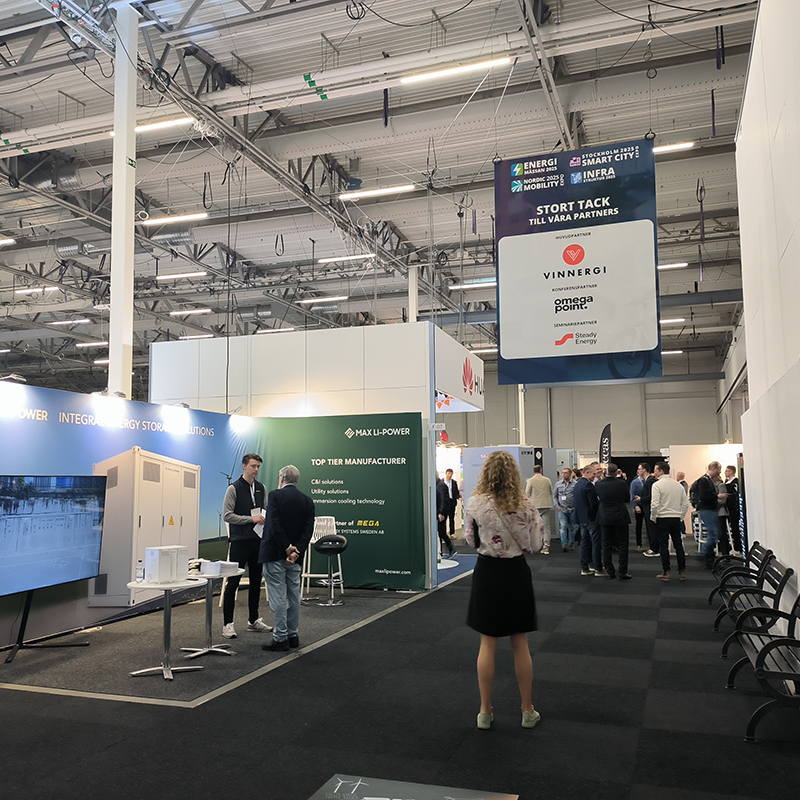
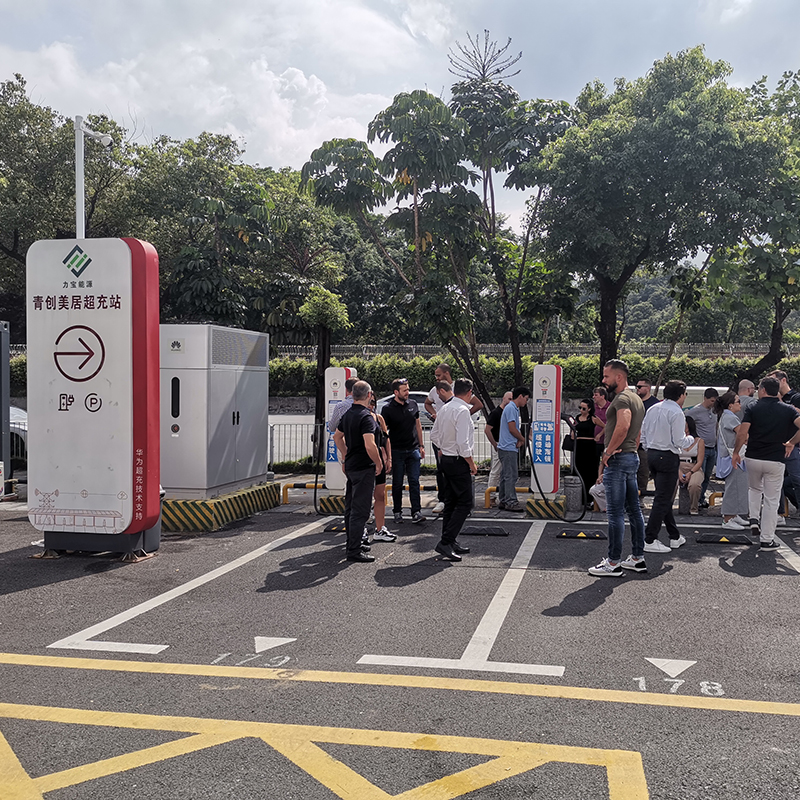
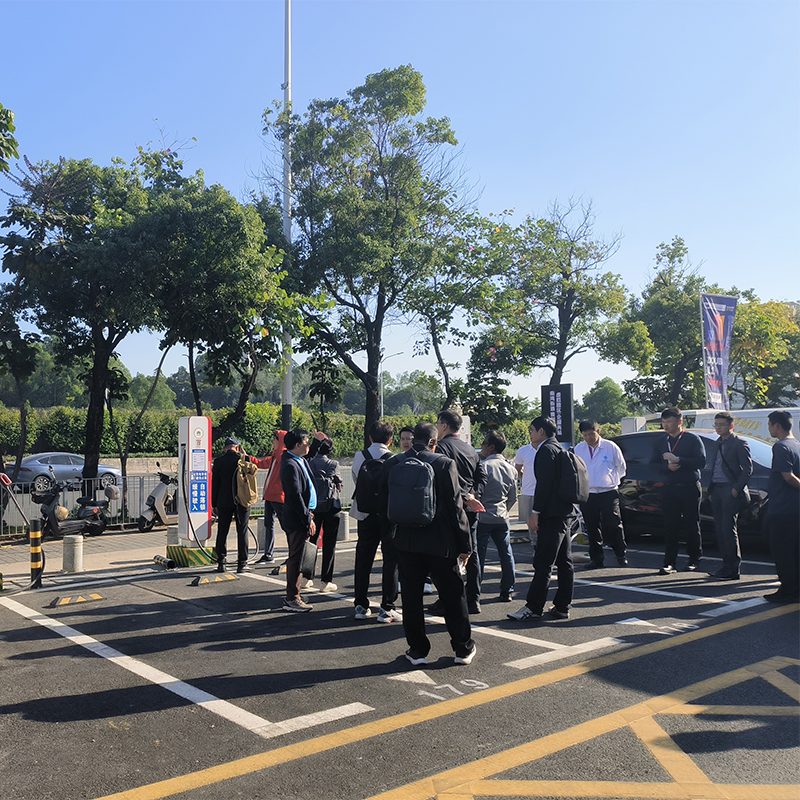
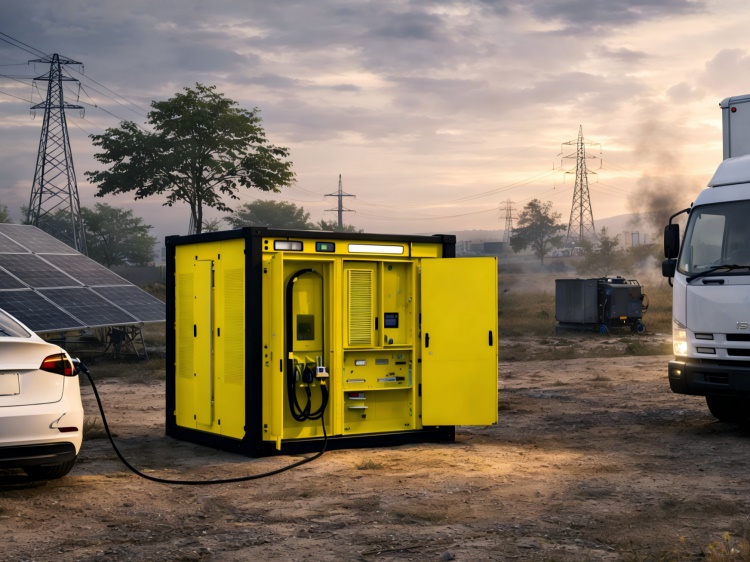
In modern transportation and energy systems, emergency EV charging has become a critical requirement. When power outages, grid failures, or natural disasters occur, traditional charging stations often fail to operate effectively. Therefore, a mobile EV charging container provides a flexible and rapid response solution that ensures a continuous energy supply in urgent situations. Instead of relying on fixed infrastructure, operators can deploy mobile systems wherever power is needed most. Max Li-Power develops advanced solutions such as the MA-EnerFlexi Integrated Mobile Battery & Charging Container, designed to support high-demand emergency scenarios with stable performance and fast deployment capability.
Rapid Deployment in Emergency Situations
To begin with, emergency charging scenarios require immediate response and mobility. A mobile EV charging container can be transported directly to affected areas without complex installation. As a result, it significantly reduces downtime compared to traditional charging stations. Moreover, during disaster recovery operations, time is extremely critical. Therefore, mobile systems allow operators to restore EV charging services within hours rather than days. In addition, the plug-and-play design of modern systems simplifies setup and ensures fast operational readiness.
Stable Power Supply Under Unstable Grid Conditions
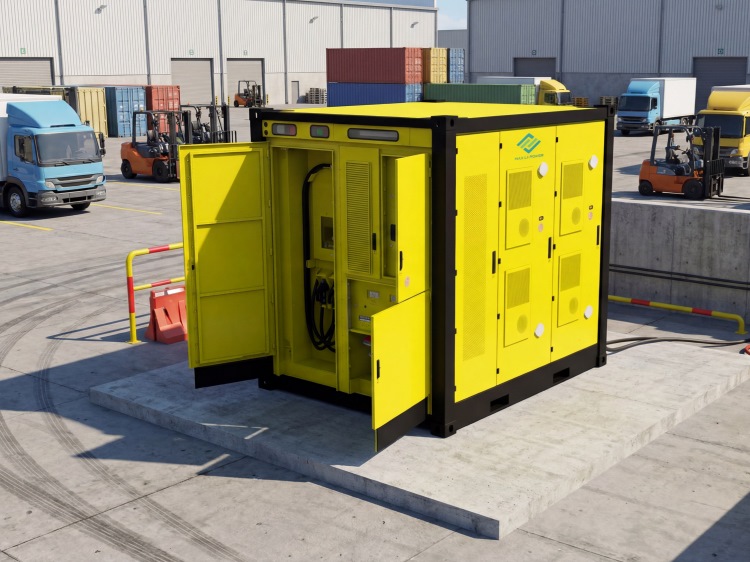
Furthermore, emergency environments often suffer from unstable or completely unavailable grid power. In such cases, a mobile EV charging container provides off-grid energy support through integrated battery storage systems. For example, the MA-EnerFlexi system from Max Li-Power offers a 1044 kWh high-capacity battery with flexible on-grid and off-grid switching. Consequently, it maintains a stable charging output even when external power sources are unreliable. In addition, the wide voltage range (150V–1000V DC and 400V AC) ensures compatibility with different EV models and charging requirements.
Fast Charging Capability for High Demand Scenarios
In addition, emergency deployment often involves multiple vehicles requiring rapid charging. A mobile EV charging container supports high-power output, enabling fast charging with up to 500A current. As a result, fleet vehicles such as emergency rescue trucks, logistics vans, and public service EVs can quickly return to operation. Moreover, fast charging capability reduces waiting time and improves overall emergency response efficiency.
Thermal Safety and Environmental Adaptability
However, emergency environments can be harsh and unpredictable. Therefore, thermal management and structural durability become essential. The MA-EnerFlexi system integrates HVAC cooling and IP54 protection, which helps maintain stable performance under high temperature, dust, or humidity conditions. Additionally, this ensures that the mobile EV charging container continues operating safely even in challenging outdoor environments.
Smart Control and Remote Management
Furthermore, modern emergency operations require real-time monitoring and control. A mobile EV charging container with remote web and app management allows operators to track system performance, energy levels, and charging status instantly. Consequently, decision-makers can optimize deployment strategies and adjust energy distribution dynamically. This improves operational efficiency and reduces unnecessary downtime during emergency recovery efforts.
Conclusion: A Critical Tool for Modern Emergency Energy Infrastructure
In conclusion, emergency EV charging deployment demands speed, flexibility, and reliability. Traditional charging infrastructure alone cannot meet these requirements during unexpected disruptions. Ultimately, the mobile EV charging container provides a scalable and efficient solution for emergency energy supply. With advanced systems like Max Li-Power MA-EnerFlexi, operators can ensure rapid deployment, stable power output, and intelligent control in critical situations. Therefore, it becomes an essential component of modern emergency energy infrastructure and future mobility support systems.


 10Nov
10Nov
 by
by