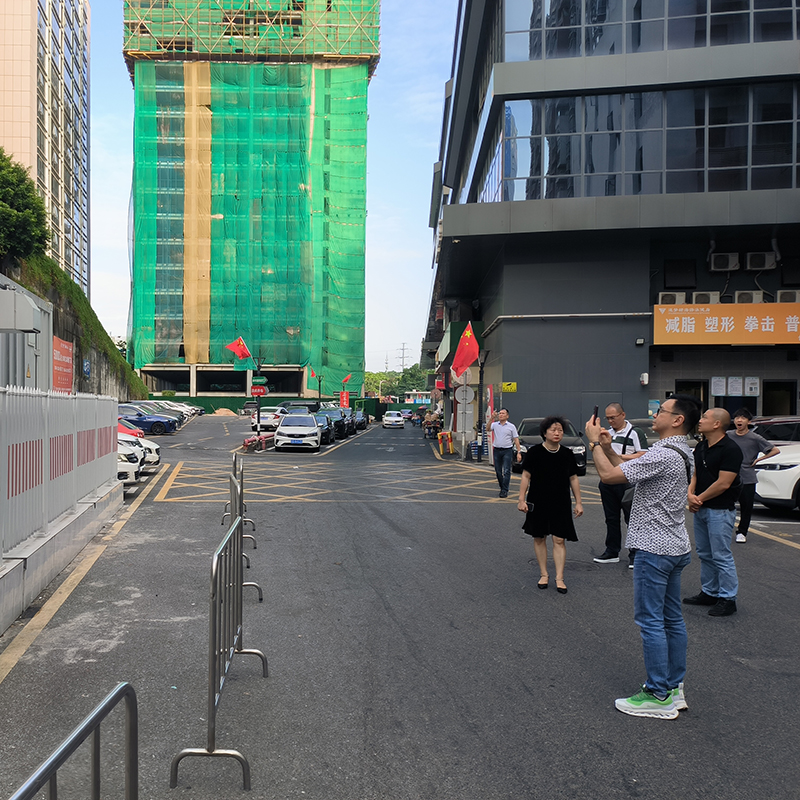
Industrial parks are facing a very practical energy problem today: electricity demand keeps rising, but grid capacity does not always expand at the same speed. In many regions, this gap directly limits production expansion and increases operating costs.
This is where a solar PV system combined with a BESS project (Battery Energy Storage System) becomes highly valuable.
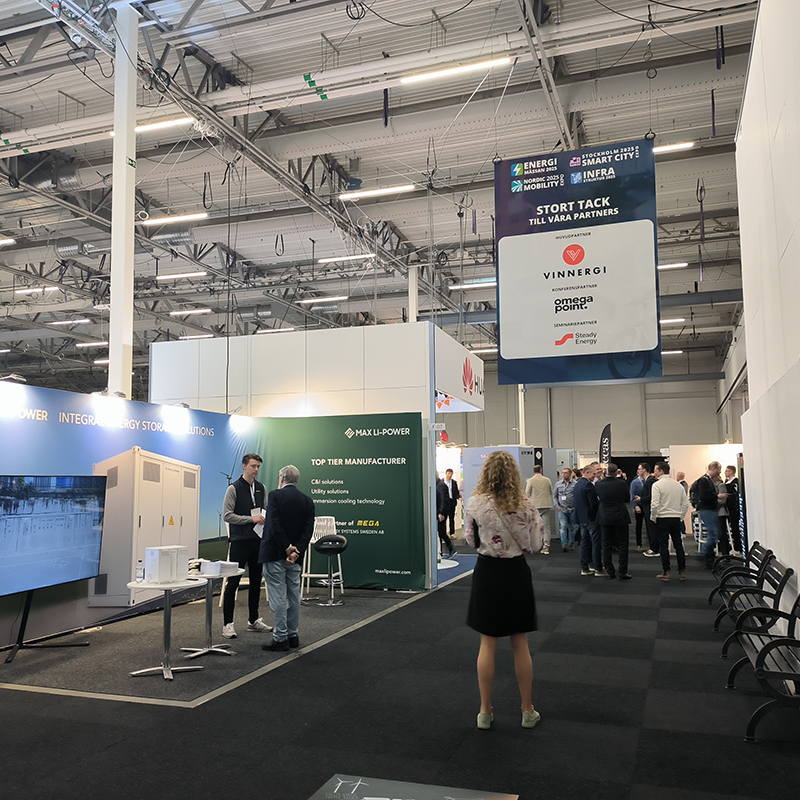
A typical example is the 300kW / 645kWh industrial park solar PV + BESS project, developed by MAX LI-POWER, which integrates solar generation, energy storage, and grid interaction into one coordinated system.
System Idea: Why Combine Solar PV and BESS?
On its own, a commercial solar PV system can only generate electricity when sunlight is available. That creates a mismatch between energy production and real industrial demand.
By adding a solar energy storage system, the situation changes:
- Solar PV generates electricity during the day
- Excess energy is stored in the BESS
- Stored energy is used later when needed
This combination forms a hybrid solar storage system, which is far more stable and flexible than standalone solar power.

How the System Actually Works in an Industrial Park
Instead of thinking in technical layers, it is easier to understand this as a daily energy cycle.
During the Day: Solar Handles the Load First
When sunlight is available:
- The solar PV system directly powers the industrial park
- Any extra electricity is not wasted
- The surplus is sent into the battery system for storage
In this stage, grid usage is significantly reduced, especially during peak solar hours.
During Peak Demand: Battery Steps In
Industrial load is not always stable. When demand suddenly increases:
- The BESS project releases stored energy
- It supports the load together with solar and grid
- Peak electricity purchase from the grid is reduced
This helps smooth out energy costs, especially during expensive peak tariff periods.
At Night: Stored Energy Becomes the Main Supply
Once solar generation stops:
- The system switches to battery discharge mode
- Stored daytime energy powers offices, lighting, and base loads
- Grid becomes only a backup source
This is where the system starts behaving like a semi-independent energy network.

Solving One Key Problem: Grid Capacity Limitation
Many industrial parks are not limited by energy consumption itself, but by grid connection capacity.
Expanding grid infrastructure usually means:
- Long approval cycles
- High investment cost
- Uncertain upgrade timelines
The integrated industrial solar power system solves this in a practical way:
- Store excess solar locally instead of pushing everything to the grid
- Reduce peak load impact on grid connection points
- Shift energy usage from peak to off-peak periods
In simple terms, the system allows the park to “use more energy than the grid alone can normally support.”
Energy Cost Optimization (Where the Real Value Is)
Beyond technical performance, the most direct benefit is cost reduction.
A properly designed system improves economics through:
- Lower electricity purchase from the grid
- Reduced peak demand charges
- Higher self-consumption of solar energy
- Better control over when energy is used
Over time, this creates a predictable and more stable energy cost structure for industrial park operators.
Moving Toward 100% Green Power Usage
With sufficient system sizing, the park can achieve periods of full renewable energy supply.
This means:
- Electricity is mainly generated from solar
- Stored energy covers non-sunlight hours
- Grid dependency is minimized
The result is not only lower carbon emissions, but also stronger compliance with modern sustainability and ESG requirements.

Microgrid Behavior in Real Operation
When solar PV and BESS work together with the grid, the system naturally forms a hybrid microgrid.
In practice, this means:
- The park has its own internal energy loop
- Solar and battery handle most daily operation
- Grid acts as backup support only when needed
This improves:
- Power reliability
- Energy stability
- Resistance to grid fluctuations or outages
Application Scenarios
The commercial solar PV system with BESS integration is widely suitable for:
- Industrial manufacturing parks
- Office and business campuses
- Logistics and warehousing centers
- High-energy consumption industrial zones
In all these cases, the goal is the same: reduce dependency on the grid while improving energy efficiency.

MAX LI-POWER Solution Positioning
The 300kW / 645kWh solar PV + BESS project from MAX LI-POWER is designed as a complete energy package, not just equipment supply.
It integrates:
- Solar PV generation system
- Lithium battery storage system
- Energy management control logic
- Grid coordination capability
The focus is on making energy usage more controllable, predictable, and cost-efficient for industrial operators.
Final Summary:
A solar PV system combined with a BESS project is becoming a practical infrastructure choice for industrial parks rather than an optional upgrade.
It helps to:
- Reduce dependence on the grid
- Improve energy utilization efficiency
- Lower electricity costs
- Solve grid capacity limitations
- Support green and sustainable operation goals
For industrial parks aiming to improve both operational stability and long-term cost control, the hybrid solar storage system (MAX LI-POWER) provides a realistic and scalable energy solution that fits actual business conditions rather than theoretical design models.

 10Nov
10Nov
 by
by