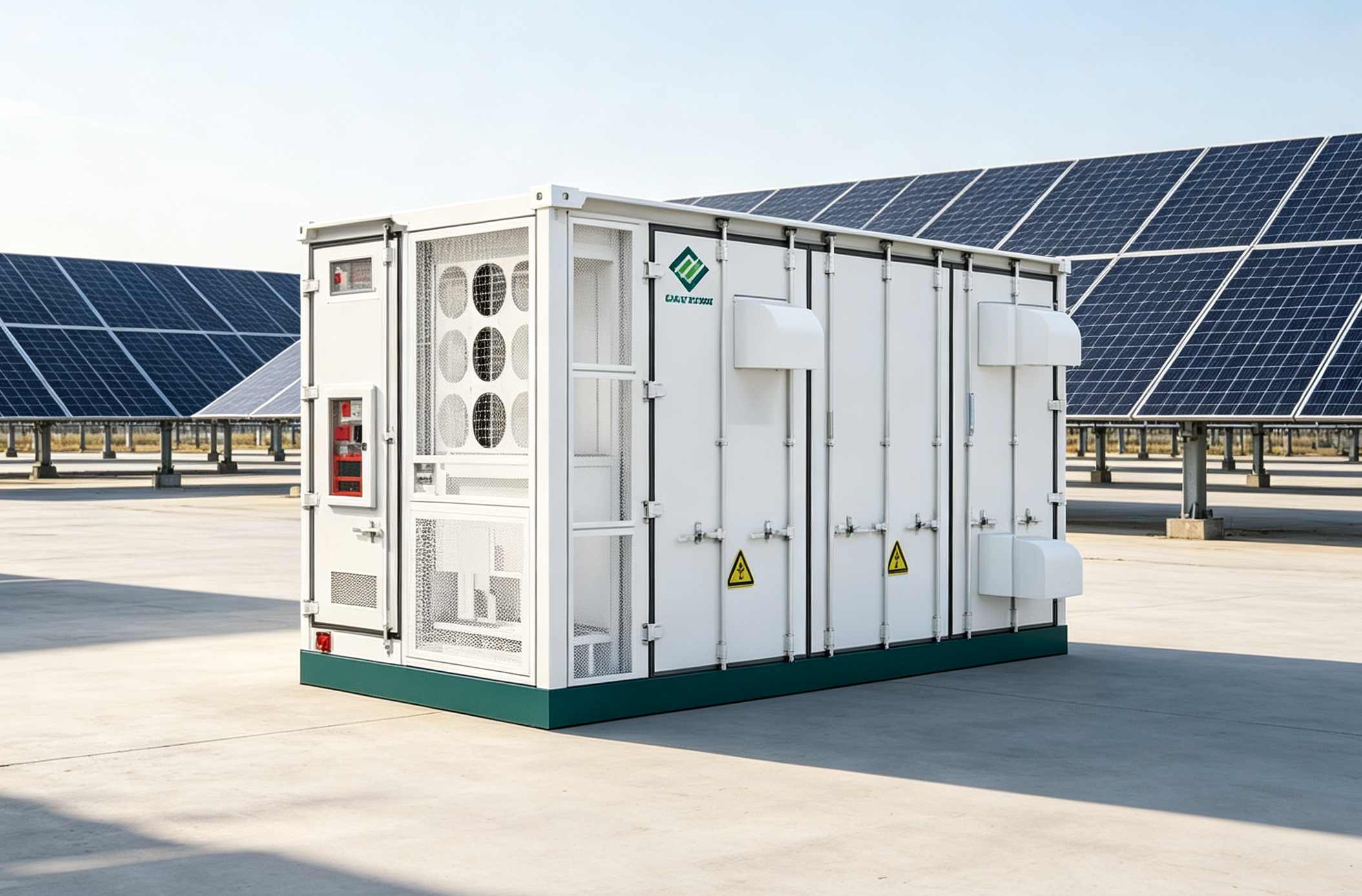
As renewable energy adoption continues to grow, efficient energy storage has become essential for improving solar power utilization. Solar generation is naturally affected by weather conditions and daily sunlight changes, making reliable storage systems necessary for maintaining stable energy supply. Traditional energy storage solutions may face challenges related to heat management, battery consistency, and long-term performance. Therefore, advanced technologies such as liquid cooling systems and high-capacity battery cells are becoming increasingly important for large-scale solar applications. The liquid-cooled storage container for solar provides an integrated energy storage solution designed to improve thermal control, operational stability, and battery lifespan. Equipped with high-capacity 314Ah battery cells, this system supports megawatt-level energy storage requirements while helping users achieve more efficient renewable energy management.
314Ah Battery Cells Improve Long-Term Cycle Performance
Battery cell capacity and durability directly influence the overall performance of an energy storage system. Higher-capacity cells can reduce the number of battery connections required while improving system integration efficiency. The EnerDC system uses advanced 314Ah battery cells that provide high energy density and extended cycle life. Compared with smaller-capacity cells, 314Ah technology can simplify battery pack design and reduce internal connection points, which helps improve system reliability. Furthermore, these high-capacity cells are designed for long-term operation in demanding energy storage environments. As a result, they are suitable for solar power projects that require stable charging and discharging performance over many years.
Advanced Liquid Cooling Technology for Better Temperature Control
Temperature management is one of the most important factors affecting battery performance. Excessive heat or uneven temperature distribution can reduce battery efficiency and shorten service life. The liquid cooled storage container for solar adopts an advanced thermal management system that maintains balanced temperature conditions inside the container. Unlike traditional air cooling methods, liquid cooling provides more precise heat transfer and helps maintain consistent performance across battery modules. Moreover, improved thermal control reduces the impact of environmental changes and supports safer operation during high-load applications. Therefore, liquid cooling technology plays an important role in extending battery cycle life and maintaining reliable energy output.
Integrated Energy Storage Design for Simplified Deployment
Large-scale energy storage systems require multiple components, including batteries, battery management systems, thermal control systems, fire protection systems, and energy management units. Integrating these systems into one containerized solution can significantly simplify installation and operation. EnerDC combines energy storage batteries, battery management, thermal management, fire protection, busbar power distribution, environmental control, and energy management systems into a highly integrated product. Consequently, users can reduce system complexity while improving deployment efficiency.
| Feature |
Benefits |
| 314Ah high-capacity cells |
Supports long cycle life and large-scale energy storage |
| Liquid cooling system |
Provides precise temperature control |
| Integrated battery management |
Improves monitoring and operational stability |
| Multiple firefighting collaboration |
Enhances system safety |
| VPP enabled design |
Supports intelligent energy management |
This integrated structure makes the system suitable for various solar storage applications.
Flexible Solar Access and Grid Support Capabilities
Modern energy storage systems need to provide more than basic electricity storage. They should also support flexible energy management and grid interaction. The liquid cooled storage container for solar supports DC-coupled solar access, allowing direct connection with photovoltaic systems for improved energy conversion efficiency. In addition, its unbalanced load operation capability helps maintain stable power supply under different load conditions. Furthermore, the system supports Virtual Power Plant (VPP) applications and auxiliary grid services. These functions allow stored energy to be managed more intelligently, creating additional value for renewable energy projects.
Enhanced Safety with Multi-Level Protection Systems
Safety is a critical consideration for large-scale battery storage. A reliable system needs effective protection measures to manage potential risks during long-term operation. This containerized energy storage solution integrates multiple firefighting collaboration systems together with intelligent monitoring functions. These safety features work alongside battery management and thermal control systems to provide a more secure operating environment. Additionally, the container structure helps protect internal components from external environmental influences, making it suitable for different installation scenarios.
Ideal Applications for Large-Scale Solar Energy Storage
With high-capacity cells, advanced cooling technology, and integrated system design, this energy storage solution can support a wide range of applications, including:
- Solar power plants
- Commercial and industrial energy storage projects
- Renewable energy integration systems
- Grid support applications
- Virtual Power Plant projects
Moreover, the scalable design makes it suitable for projects requiring megawatt-level and above energy storage capacity.
Professional Energy Storage Solutions from Max Li-Power
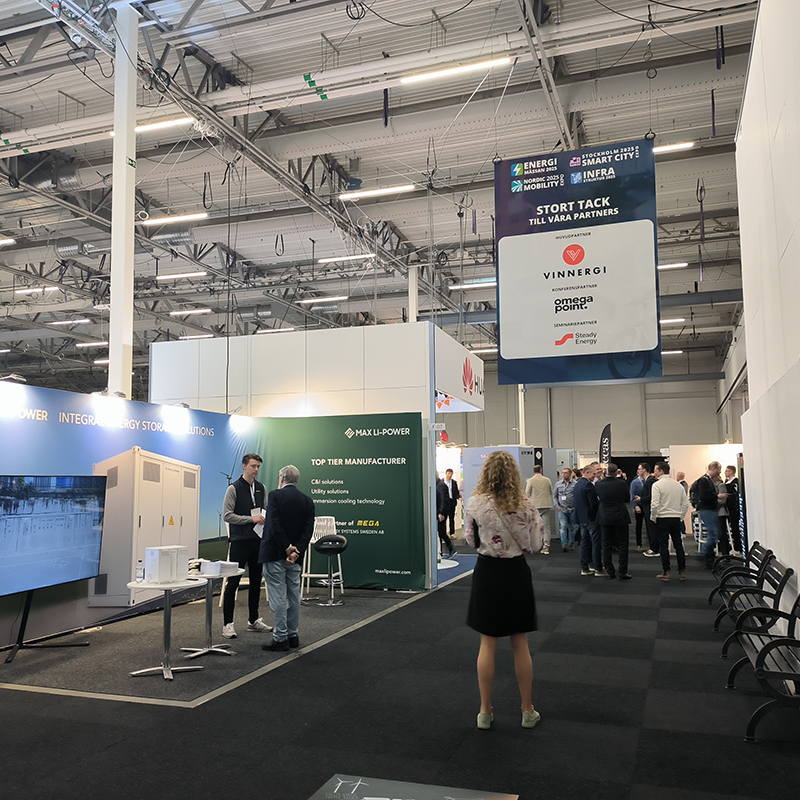
The development of renewable energy requires storage systems that combine efficiency, safety, and long-term reliability. Max Li-Power focuses on providing integrated energy storage solutions that help customers improve solar energy utilization and system performance. By combining 314Ah battery technology, liquid cooling management, and intelligent energy control, these solutions provide a practical approach for modern solar storage needs.
Conclusion: A Smarter Choice for Solar Energy Storage
As solar energy projects continue to expand, battery performance and thermal management will become increasingly important. The combination of high-capacity 314Ah cells and liquid cooling technology offers significant advantages in cycle life, efficiency, and operational stability. The liquid cooled storage container for solar delivers an integrated solution that supports reliable renewable energy storage, flexible grid services, and long-term system performance. For large-scale solar applications, it provides a smarter and more efficient way to manage clean energy.

 10Nov
10Nov
 by
by