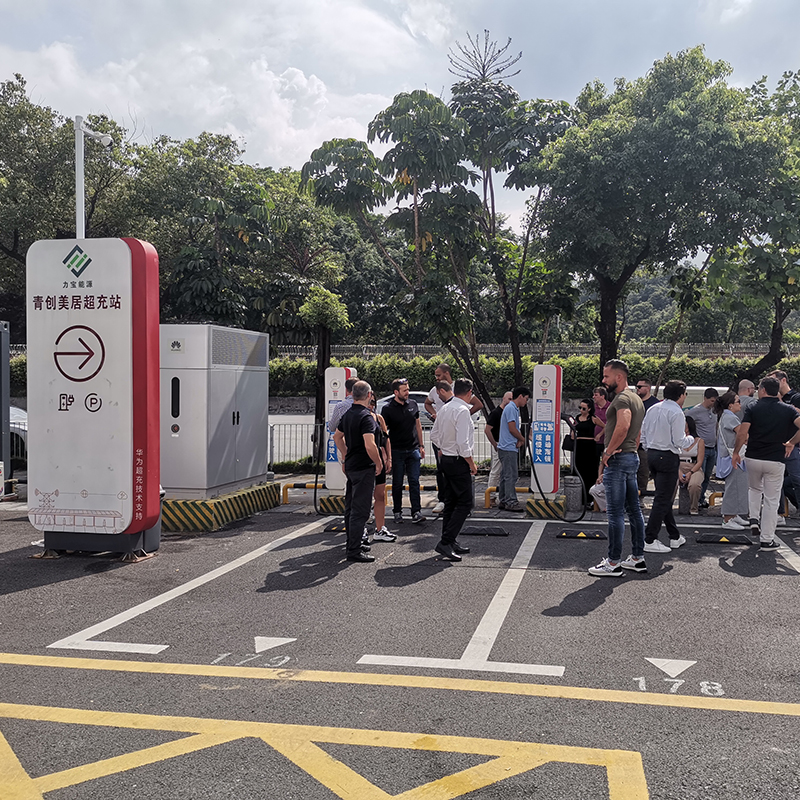
As energy costs rise and sustainability becomes more important, homeowners are seeking better ways to manage their power usage. Among these solutions, residential battery storage systems are increasingly popular. They provide reliable energy storage, reduce electricity bills, and integrate with renewable sources, making them ideal for modern homes. These systems are especially useful for households with solar panels or for those who want backup power during outages.
Reducing Energy Costs
A key reason homeowners adopt residential battery storage systems is to lower electricity expenses. These systems store excess energy generated during off-peak hours or from solar panels. Later, the stored energy can be used when rates are higher. Consequently, families save money while gaining more control over their power consumption. In some cases, households can even avoid paying peak-time electricity rates entirely. This makes battery storage an attractive investment for cost-conscious homeowners.
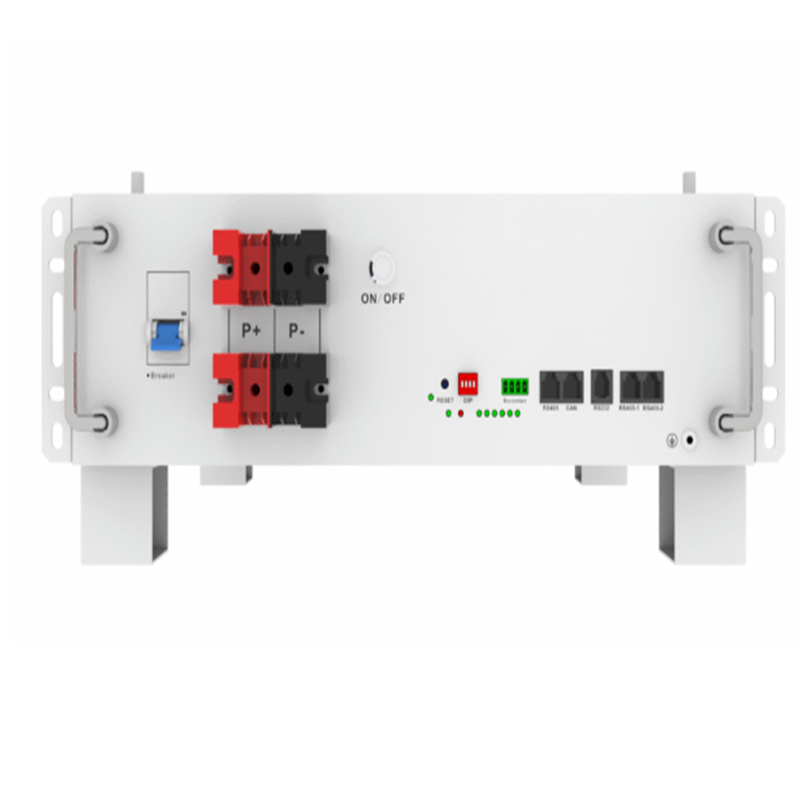
Enhancing Energy Independence
Another significant advantage is energy independence. Homeowners rely less on the electrical grid, which is vital during power outages or severe weather. With stored energy available, homes can maintain essential functions like lighting, heating, refrigeration, and communication devices. This reliability provides peace of mind and strengthens a home’s energy resilience. Moreover, having a battery system reduces dependency on utility companies, giving homeowners more control over their energy use.
Supporting Renewable Energy
Residential battery storage systems also support renewable energy adoption. Paired with solar panels or small wind turbines, they maximize self-consumption of clean energy. Modern systems store excess energy for later use and manage it efficiently using smart software. Moreover, this helps households reduce their carbon footprint while improving energy efficiency. Families can also contribute to environmental sustainability by reducing reliance on fossil-fuel-based electricity.
Environmental and Long-Term Benefits
These systems provide long-term environmental and economic benefits. By optimizing renewable energy use and reducing dependence on fossil fuels, homeowners help lower greenhouse gas emissions. High-quality battery systems are durable, often lasting more than a decade with proper maintenance. This durability ensures many years of reliable energy storage, making it a smart, eco-friendly investment. Additionally, well-maintained systems may increase home value, especially for energy-conscious buyers.
Conclusion
The growing popularity of residential battery storage systems is driven by cost savings, energy independence, renewable energy support, and environmental benefits. As technology advances and prices decline, these systems are becoming accessible to more households. By investing in a residential battery storage system, homeowners gain reliable energy, reduce bills, and support a sustainable future. It is clear why more and more families are choosing this innovative technology for their homes.


 10Nov
10Nov
 by
by