In the era of global energy transformation, reliable energy storage has become a core demand for businesses and industries. A container battery system is a versatile and efficient energy storage solution. It is widely used in solar and wind power storage, emergency power supply, and industrial backup power. But with numerous products on the market, how do you choose the most reliable one? This guide will break down the key factors and steps. It will help you make an informed decision.
1. Understand Your Core Needs: The Foundation of Reliable Selection
Before choosing a container battery system, you must first clarify your specific needs. This step is crucial. Different application scenarios require different performance indicators. Without a clear understanding of your needs, even the most advanced system may fail to meet your actual requirements.
First, determine your energy storage capacity needs. Calculate the daily power consumption of your equipment or project. Consider peak power demand to avoid insufficient storage capacity. For example, a small factory may only need a 500kWh system. A large solar power station requires a capacity of several thousand kWh.
Second, identify the application scenario. Are you using it for indoor backup power? Or is it for outdoor solar energy storage? Maybe it’s for a remote area off-grid power supply? Outdoor scenarios require the system to be weather-resistant. Indoor scenarios focus more on space saving and noise control.
Finally, clarify your long-term goals. Do you need the system to operate continuously for 5 years or more? Will you expand your energy storage scale in the future? These factors will affect your choice of system durability and scalability. Taking the time to define these needs will prevent costly mistakes later.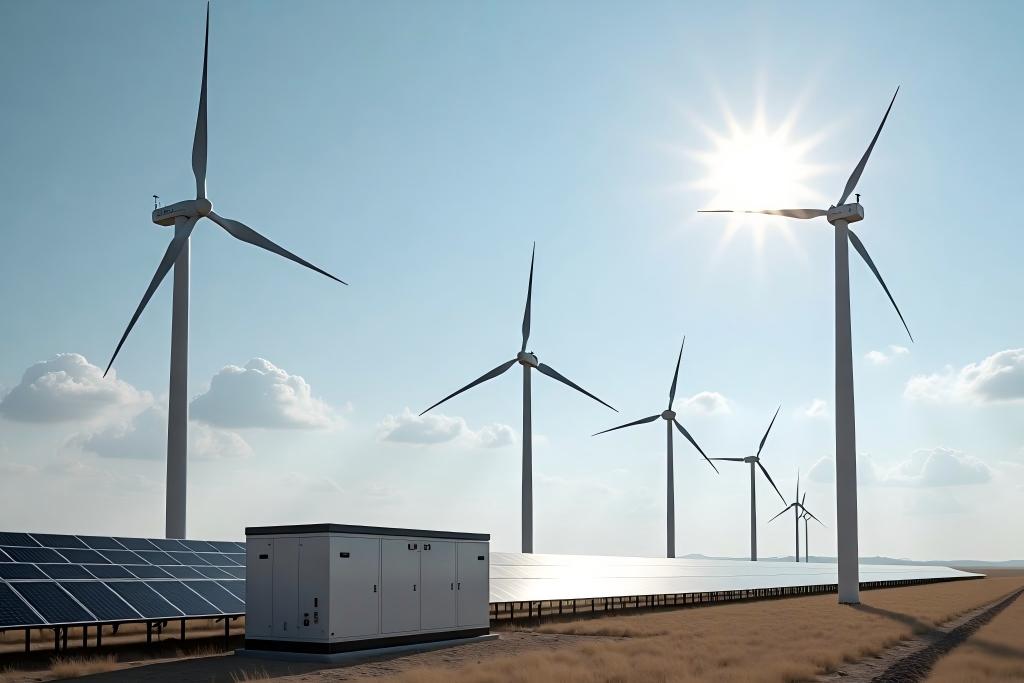
2. Evaluate Battery Quality: The Core of System Reliability
The battery is the heart of a container battery system. Its quality directly determines the system’s reliability and service life. When evaluating battery quality, focus on three key aspects. These are battery type, cycle life, and safety performance.
Currently, the most commonly used batteries for container systems are lithium-ion batteries and lead-acid batteries. Lithium-ion batteries have high energy density. They also have a long cycle life and a low self-discharge rate. They are suitable for most scenarios, especially those requiring compact size and long-term use. Lead-acid batteries are cheaper. However, they have shorter lives and higher maintenance costs. They are suitable for short-term or low-budget projects.
Cycle life is another important indicator. It refers to the number of times the battery can be charged and discharged. This is until its capacity drops to 80% of the original. A reliable container battery system should have a cycle life of at least 3000 times. This ensures stable operation for 5-10 years. You can ask the supplier for test reports to verify this indicator.
Safety is non-negotiable. The battery should have overcharge protection. It should also have over-discharge and short-circuit protection functions. It should be flame-retardant and explosion-proof to avoid safety accidents. For outdoor systems, additional waterproof and dustproof protection is necessary. This helps adapt to harsh weather conditions.
3. Check System Integration and Durability
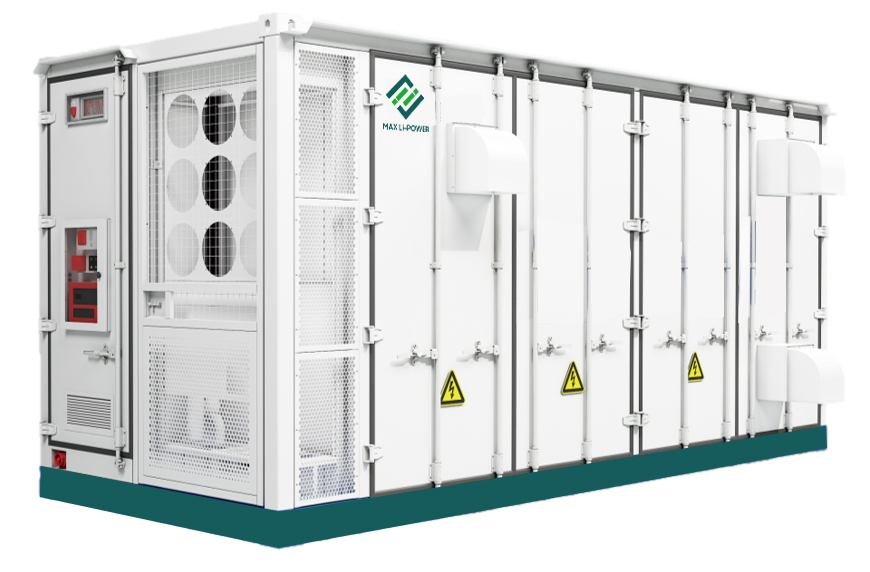
A reliable container battery system is not just a combination of batteries. It also requires high-quality integration of key components. These components include the BMS (Battery Management System), inverter, and container body. Poor integration can lead to system failures. It can also reduce efficiency and even cause safety hazards.
First, evaluate the BMS. The BMS is responsible for monitoring the battery’s state of charge. It also monitors voltage and temperature. It ensures the battery operates within a safe range. Additionally, it extends the battery’s service life. A high-quality BMS should have accurate monitoring capabilities. It should also have a fast response speed. Moreover, it should support remote monitoring. This allows you to check the system status anytime, anywhere.
Second, check the inverter. The inverter converts the DC power stored in the battery into AC power. This AC power is used by your equipment. It should have high conversion efficiency, preferably above 95%. It should also have stable performance. A reliable inverter can adapt to voltage fluctuations. It ensures a continuous power supply when you need it most.
Third, assess the container body. The container serves as the carrier of the system. It needs to be durable and corrosion-resistant. For outdoor use, it should be made of high-quality steel. It should also have anti-rust treatment. Good thermal insulation and ventilation are essential. These features maintain a stable operating temperature for the battery. This prevents overheating and extends system life.
4. Consider Supplier Strength and After-Sales Service
Choosing a reliable supplier is as important as choosing a high-quality system. A strong supplier can provide high-quality products. They also offer professional technical support. Timely after-sales service is another key benefit. This ensures the long-term stable operation of your container battery system.
First, check the supplier’s qualifications and experience. Look for suppliers with relevant industry certifications. They should have years of experience in production and installation. You can ask for case studies. These will show if they have provided solutions for projects similar to yours.
Second, understand the supplier’s R&D capabilities. A supplier with strong R&D can continuously optimize product performance. They can also adapt to new market demands. Additionally, they can provide customized solutions. These solutions are tailored to your specific needs.
Finally, pay attention to after-sales service. A reliable supplier should have a comprehensive after-sales system. This includes installation guidance and operation training. Regular maintenance is also important. They should have a fast response mechanism. This helps solve any problems during system operation quickly.
5. Compare Cost-Effectiveness: Balance Reliability and Budget
While reliability is the top priority, cost-effectiveness also matters. A high-quality container battery system may have a higher initial cost. However, it can save you money in the long run. This is due to lower maintenance costs and longer service life.
When comparing costs, don’t just focus on the initial purchase price. Consider the total cost of ownership. This includes maintenance costs, replacement costs, and energy consumption costs. A system with a slightly higher initial price may be more cost-effective. This is if it has a longer life and lower maintenance costs.
You can compare quotes from multiple suppliers. Ask for a detailed breakdown of the quote. This helps you understand the cost of each component. It also helps you avoid hidden costs. Remember, the cheapest option is not always the most reliable. Investing a little more in a high-quality system avoids frequent failures and losses.
6. Test and Verify Before Purchase
Before finalizing your purchase, test and verify the container battery system. This step confirms the system’s performance and reliability. It also avoids potential risks.
You can ask the supplier to provide a sample. Or you can conduct on-site testing. Test the system’s charging and discharging efficiency. Check voltage stability and safety performance. Ensure the BMS and inverter work normally. You can also simulate your actual application scenario. This helps you see if the system meets your needs.
Additionally, ask for relevant test reports and certifications. These documents prove the system’s compliance with industry standards. They also verify performance indicators. If possible, contact the supplier’s existing customers. Learn about their user experience and the system’s actual operation effect.
Conclusion
Choosing the most reliable container battery system requires careful consideration. You need to focus on your core needs, battery quality, and system integration. Supplier strength, cost-effectiveness, and post-purchase testing are also key. Following the steps in this guide helps you select the right system. It ensures long-term stable operation.
A reliable container battery system is an investment in your business’s energy security. It reduces energy costs and improves power supply stability. It also supports sustainable development. Take the time to research and compare. You will find the perfect energy storage solution for your needs.

 10Nov
10Nov
 by
by